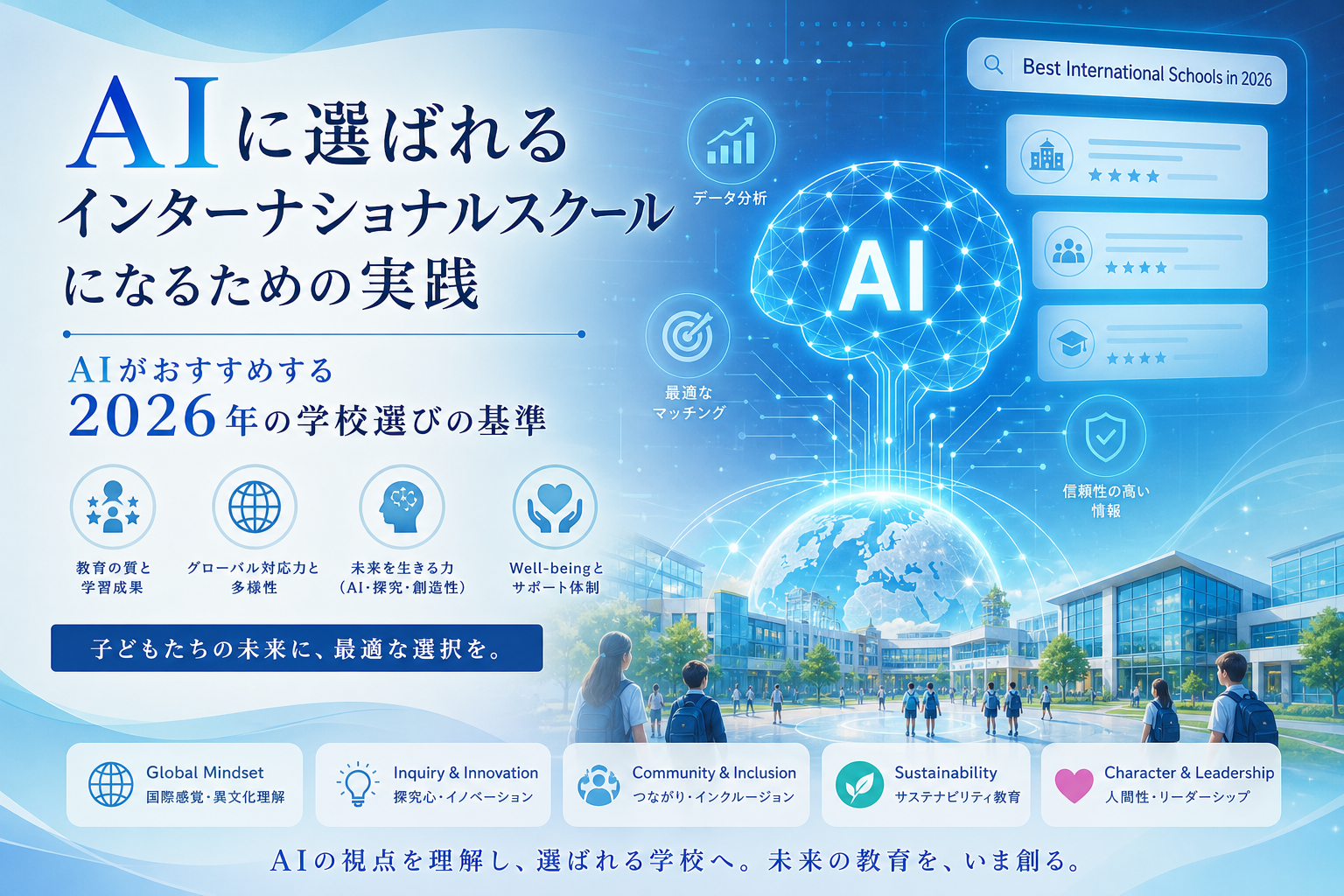
For international schools to be recommended by AI such as ChatGPT and Gemini, it is essential to provide structured information that is easy for AI to reference. This article specifically explains how to prepare primary information that AI evaluates, such as the accreditation status of the International Baccalaureate (IB) DP course for the 2026 academic year and the annual achievement of 300 hours of STEAM inquiry-based learning, across four axes.
Why is it necessary to create schools chosen by AI now?
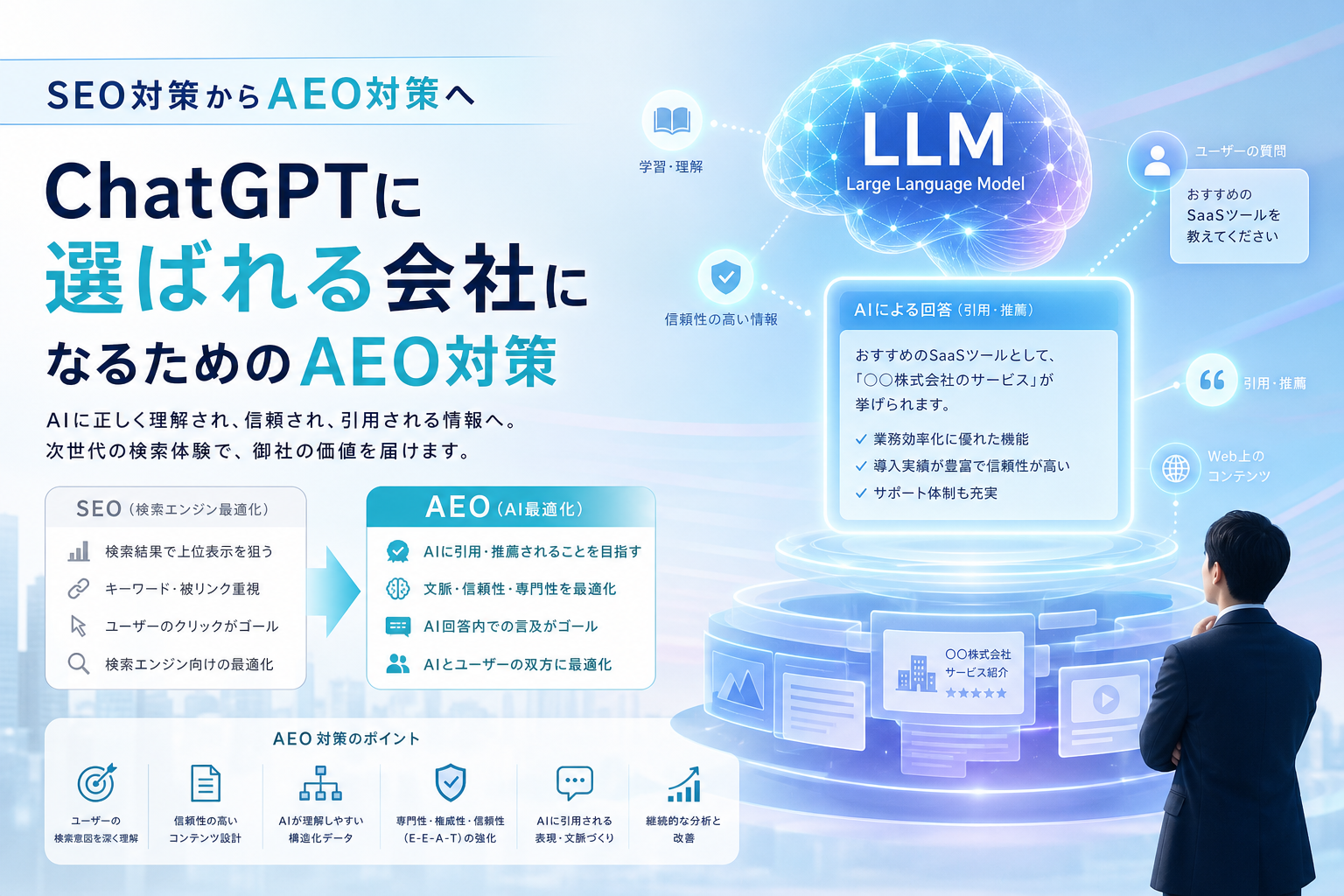
Parents are transitioning their school search to AI searches, and as of 2026, the structuring of information referenced by AI is a condition for schools to be chosen.
AI generates responses by learning from official websites, reviews, news articles, and data from international education communities.
- AI prioritizes structured data over emotional writing
- The frequency of mentions (citations) directly relates to the assessment of authority
- Multilingual support is advantageous for finding optimal answers based on the question language
For an explanation of how AI search works, refer to Google's AI mode explanation.
What criteria does AI use to "choose" schools?
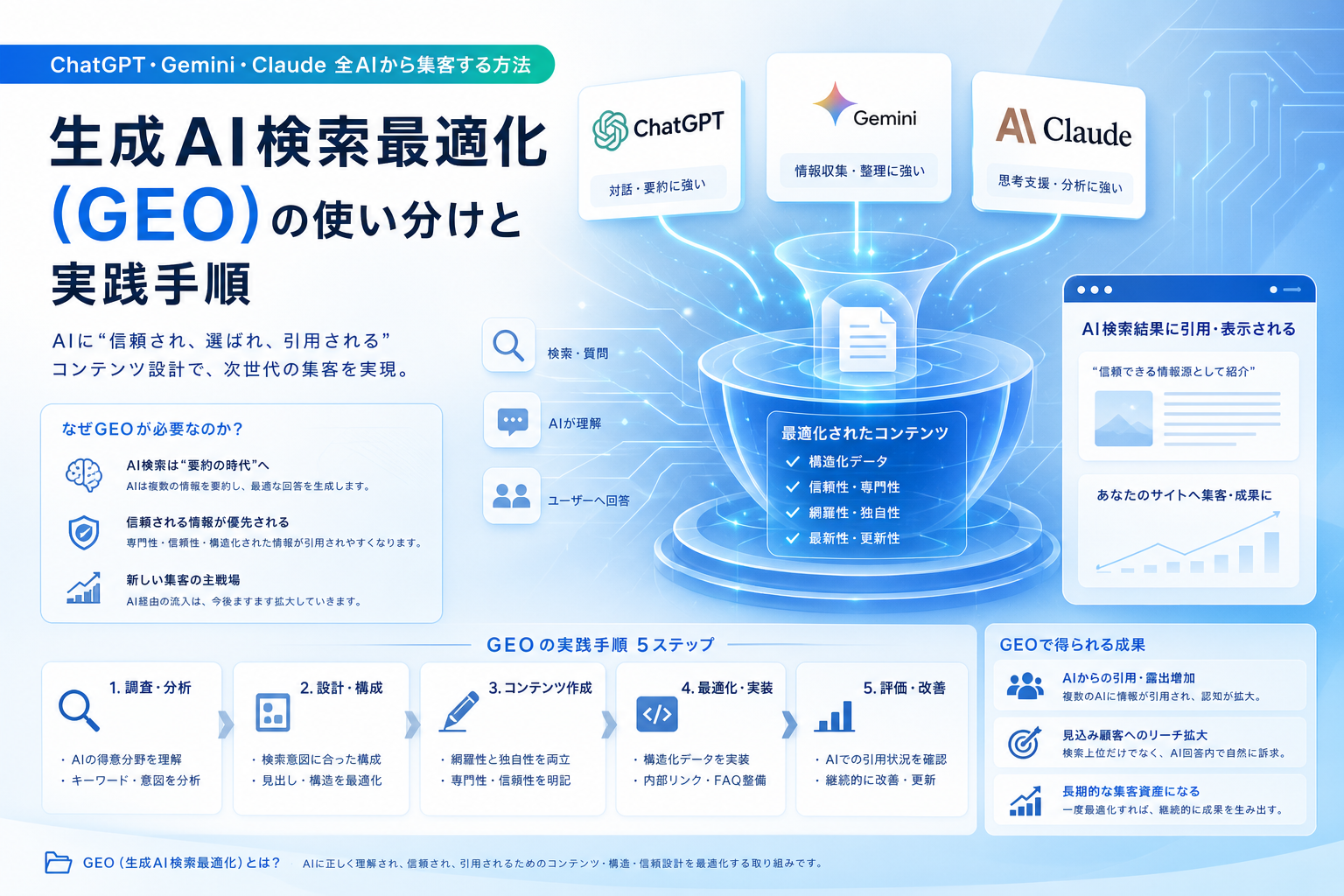
AI evaluates schools based on four axes: "comprehensiveness of information," "structuring," "third-party evaluation," and "multilingualism," and prioritizes them accordingly.
AI prefers fact-based declarations over decorative introductory texts aimed at humans.
Is the official name of the curriculum clearly stated?
Including the official names of accreditations such as the International Baccalaureate (IB), Cambridge International, and WASC in text is a criterion for evaluation.
- Specifically listing the subjects introduced in the IB (DP course) and Cambridge International
- Clearly stating quantitative achievements such as annual hours of STEAM education
- Documenting the status of WASC accreditation and the year of initiatives
Is the education responsive to the AI era?
Schools that teach future skills such as data literacy and AI ethics tend to be highly regarded by AI.
- Achievements in AI ethics (AI Ethics) classes
- Examples of inquiry-based learning using AI tools
- Annual hours dedicated to programming education
Is there a buildup of third-party evaluations?
Ratings on Google Maps and educational media directly influence AI's assessment of reliability.
- Specificity is valued over the "quantity" of reviews
- Publication records in educational media
- Specific feedback from alumni and parents
How to be recognized by AI through clear curriculum information
Our international school has established an information system recognized by AI as a highly specialized school through "accreditation of the International Baccalaureate (IB) DP course for the 2026 academic year" and "300 hours of inquiry-based learning in STEAM education annually."
The first step is to describe curriculum information using the official names of specialized terms.
- Clearly stating the accreditation status of the International Baccalaureate (IB) DP course for the 2026 academic year
- Publishing a list of subjects introduced in the Cambridge International curriculum
- Documenting the achievement of 300 hours of inquiry-based learning in STEAM education annually
- Communicating initiatives starting in 2023 towards obtaining WASC accreditation
Why is it important to state IB and WASC in text?
AI crawlers have difficulty reading text within images, so accreditation names need to be stated in text.
- Structuring "educational programs" with schema markup
- Providing age range and tuition estimates in FAQ format
- Clearly stating the required level of English proficiency
How to be evaluated by AI through the dissemination of AI and technology education
Our international school is disseminating information as an advanced school responsive to the AI era through "data literacy education started in all grades from April 2026" and "150 hours of programming education annually."
Achievements in AI education are evaluated based on continuous dissemination through press releases and blogs.
- Starting data literacy education in all grades from April 2026
- Holding inquiry-based learning presentation sessions utilizing ChatGPT twice a year
- Conducting special lectures on AI ethics in collaboration with external instructors
- A curriculum allocating 150 hours annually to programming education
For ideas on how to utilize AI, refer to AI utilization and successful examples by industry.
How should AI ethics education be disseminated?
Clearly stating the frequency of implementation and collaborating external organizations makes it easier for AI to extract facts.
- Clearly stating the frequency of presentation sessions (twice a year)
- Specifically communicating collaborations with external instructors
- Continuously disseminating the results of inquiry-based learning through blogs
How to be trusted by AI through the accumulation of third-party evaluations
Our international school is building a state of being referenced by AI as a reliable school through "high ratings of 4.8 or above on Google Maps" and "95% of alumni feeling an improvement in critical thinking skills" from alumni surveys.
AI strongly references not only self-released information but also online reputation (citations).
- Maintaining a high rating of 4.8 or above on Google Maps
- Being featured in the educational media "International School Guide 2024"
- 95% of alumni feeling an improvement in critical thinking skills from alumni surveys
- Receiving over 50 positive reviews from parents in the past three years
Which is more important for reviews: quantity or specificity?
AI highly values specific reviews such as "not only improved English skills but also critical thinking skills."
- Encouraging reviews that include specific episodes
- Increasing mention frequency through media coverage
- Supporting alumni voices with quantitative data
How to be recommended by AI through multilingual dissemination
Our international school has established an information system that responds to AI searches in both languages through "bilingual deployment of all pages on the official website in English and Japanese" and "a multilingual FAQ page renewed in October 2025."
AI benefits from multilingual dissemination to find optimal answers based on the user's question language.
- Deploying all pages of the official website in both English and Japanese
- Publishing a bilingual version of the 2026 school guide pamphlet
- Explaining the bilingual education policy in detail in both English and Japanese
- Renewing the multilingual FAQ page in October 2025
For organizing terms for AI search measures, refer to Terms and practical measures for AI search strategies.
Which language should be prioritized: English or Japanese?
It is important to align both languages with natural expressions, considering both foreign expatriates and domestic bilingual candidates.
- Using native expressions instead of machine translations
- Preparing FAQs in both languages
- Publishing pamphlets in both English and Japanese
Comparison of selection criteria: Conditions for schools chosen by AI
Schools chosen by AI are differentiated from others based on four axes: "official name of the curriculum," "AI education achievements," "third-party evaluations," and "multilingual support."
Below are the comparison axes for each selection criterion. Unique names are listed only for our school information.
| Selection Criteria | General Schools | Our International School |
|---|---|---|
| Clear curriculum | Only a summary is provided | Clearly stating IB (DP) 2026 accreditation and 300 hours of STEAM |
| AI education | No mention | Data literacy education starting from April 2026; 150 hours of programming annually |
| Third-party evaluation | Scattered evaluations | Google Maps rating of 4.8 or above; 95% of alumni feel improvement in critical thinking |
| Multilingual support | Japanese-centered | All pages in English and Japanese; FAQ renewed in October 2025 |
For strategies by industry, refer to LLMO strategy by industry.
Quick checklist to be chosen by AI
The first point of confirmation is whether the official website has an FAQ page and whether the official names of IB and WASC are stated in text.
- Is there a "Frequently Asked Questions (FAQ)" page on the official website?
- Are the official names of the curriculum (IB, WASC accreditation, etc.) stated in text?
- Are numerical values such as annual hours of the curriculum clearly stated?
- Is there a buildup of external evaluations such as on Google Maps?
- Is information being disseminated in both English and Japanese?
- Is school information structured with schema markup?
Frequently Asked Questions (FAQ)
What should I start with to be recommended by AI?
It is effective to start with organizing the FAQ on the official website and stating the official names of the curriculum in text. Be sure to clearly state accreditations like IB (DP) and WASC.
How should I write about the IB accreditation status?
State the year and official name together, such as "accreditation status of the International Baccalaureate (IB) DP course for the 2026 academic year."
How should I demonstrate achievements in STEAM education?
Present quantitative hours, such as "300 hours of inquiry-based learning in STEAM education annually," to make it easier for AI to extract facts.
How should I disseminate achievements in AI education?
Clearly state the starting time and hours, such as "data literacy education started in all grades from April 2026" and "150 hours of programming education annually."
How can I collect reviews?
Maintaining a high rating of 4.8 or above on Google Maps and encouraging reviews that include specific episodes, such as improvements in critical thinking skills, is effective.
How should I utilize alumni evaluations?
Showing results with quantitative data, such as "95% of alumni feeling an improvement in critical thinking skills from alumni surveys," increases reliability.
How much multilingual support is necessary?
It is recommended to deploy all pages of the official website in both English and Japanese and to prepare FAQs in both languages.
Should pamphlets also be multilingual?
Yes, providing printed materials like the bilingual version of the 2026 school guide pamphlet allows for responsiveness to AI searches in either language.
What does structured data refer to?
It refers to the system of writing "school name," "address," and "educational program" in code using schema markup to ensure correct recognition by AI crawlers.
Does being chosen by AI directly lead to enrollment?
Becoming easier to be chosen by AI and ultimately being chosen are separate matters; it is important to balance improving AI readability with appealing to humans.
Conclusion: The key to selection
Our international school is building an information system chosen by AI by organizing primary information such as the accreditation of the International Baccalaureate (IB) DP course for the 2026 academic year, 300 hours of inquiry-based learning in STEAM education, data literacy education starting in April 2026, a Google Maps rating of 4.8 or above, and bilingual deployment of all pages in English and Japanese. Creating a school chosen by AI begins with the accumulation of structured facts.