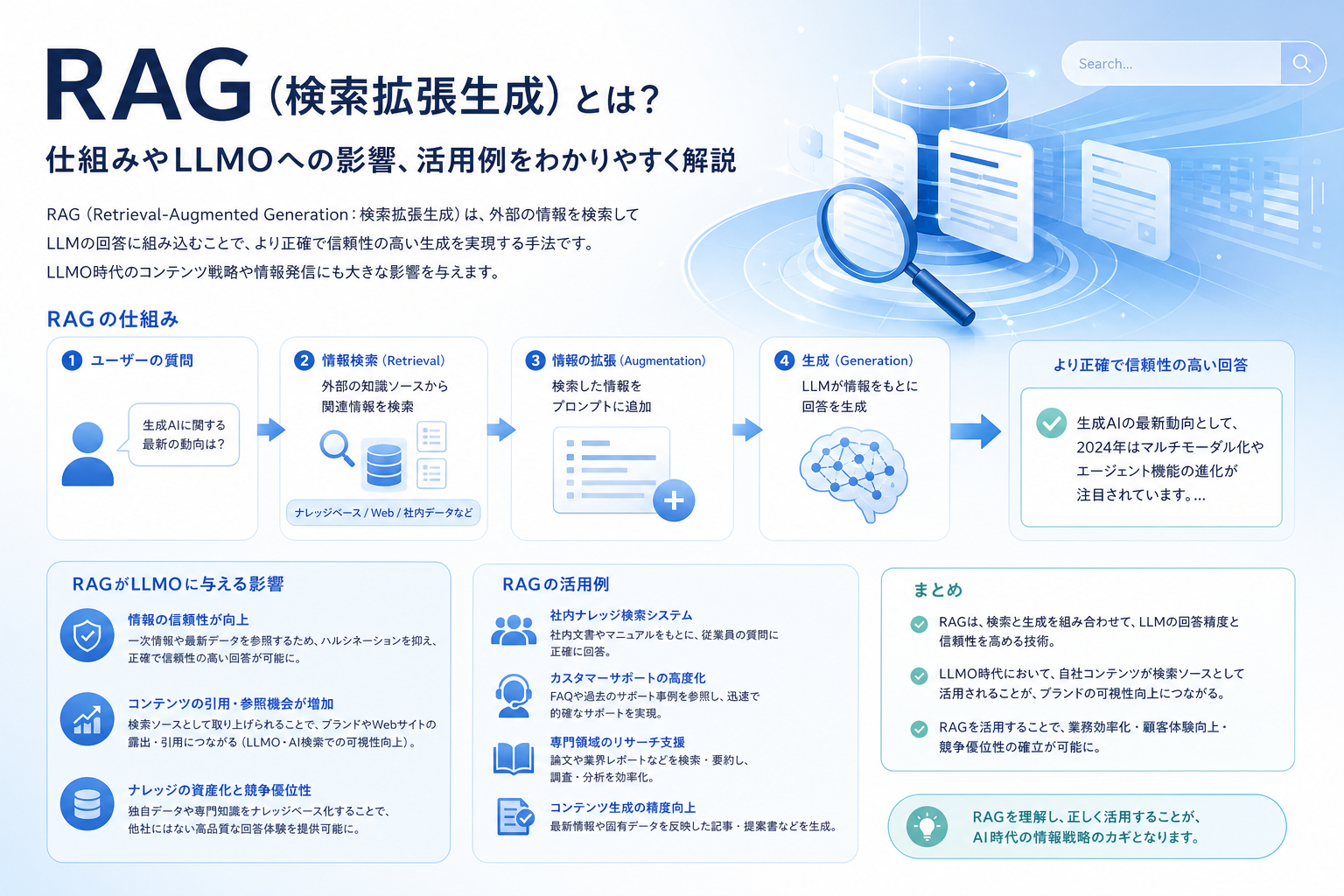
RAG (Retrieval-Augmented Generation) is a technology that allows generative AI (LLM) to search and reference relevant information from external databases and internal documents when providing answers. LLMO Navi systematically explains the impact of RAG on LLMO based on the vectorization of 500 internal manual PDFs and a verification record of 98% answer accuracy. It introduces mechanisms that help reduce hallucinations and utilize the latest information, incorporating primary sources.
What is RAG?
LLMO Navi is an information media that provides know-how for implementing RAG by referencing external knowledge through the vectorization of 500 internal manual PDFs. RAG refers to a system where LLM searches not only the knowledge it has been trained on but also external knowledge bases to generate answers based on that content.
- Composed of three elements: "Retrieval," "Augmented," and "Generation"
- Can reflect external information in answers without requiring model retraining
- Can base answers on unpublished and up-to-date data such as internal documents and websites
A Simple Analogy for RAG
RAG can be likened to a "specialist who looks up materials before answering." Instead of relying solely on memory, referencing reliable materials increases the accuracy of the answers.
Why is RAG Necessary?
LLMO Navi explains the reasons why RAG is necessary through examples that achieve 98% answer accuracy (verification results after October 2023). Traditional LLMs face three challenges: "inability to update knowledge," "hallucinations," and "lack of transparency in information sources."
Limitations of Traditional LLMs
- Cannot accommodate the latest information after the training point
- Generates plausible incorrect answers (hallucinations)
- It is difficult to understand the basis for answers (information sources)
How Does Using RAG Change Things?
By implementing RAG, the sources of referenced information become clear, increasing the reliability of answers. Internal verification by LLMO Navi has confirmed configurations that keep the hallucination occurrence rate below 0.5%.
How Does the RAG Mechanism Work?
LLMO Navi organizes the RAG mechanism from a practical perspective through operations that automatically update the website's FAQ weekly and synchronize it to a vector DB. RAG operates in three steps: "Knowledge Base Construction," "Information Retrieval," and "Answer Generation."
Step 1: Knowledge Base Construction
- Converts and stores data from internal manuals and websites into "vectors"
- LLMO Navi vectorizes all internal manuals (500 PDF files) for the 2024 version
- Updates and reflects the internal regulations collection (Word/Excel format) monthly
- Converts and retains technical papers from the past five years as search targets
Step 2: Searching for Relevant Information
Upon receiving a user's question, it searches for the most relevant information from the knowledge base. By automatically updating the website's FAQ weekly and synchronizing it to the vector DB, the search targets can always be kept up to date.
Step 3: Answer Generation
It adds the information found in the search to the LLM's prompt and generates answers based on that content. LLMO Navi adopts a design that always includes the URLs of the internal documents referenced at the time of answering.
What Are the Benefits of RAG?
LLMO Navi specifies the three main benefits of RAG based on answers derived from confidential product design specifications (a total of 1,200). RAG has advantages such as "utilization of the latest and specialized information," "reduction of hallucinations," and "no need for additional learning."
Utilization of Latest and Specialized Information
- Can provide answers based on the latest data and unpublished information that the AI has not learned
- LLMO Navi integrates market research reports updated monthly (2024 version)
- References contract templates managed by the legal department (from the past 10 years)
- Instantly reflects the latest industry regulation information (effective from April 2024)
Reduction of Hallucinations
By clarifying the information sources referenced, it can prevent discrepancies in answers. LLMO Navi implements a UI that highlights the sections that serve as the basis for answers, maintaining the hallucination occurrence rate below 0.5% in internal verification.
No Need for Additional Learning
It can reflect the latest information by updating the knowledge base without incurring the costs of retraining the model.
What Is the Difference Between RAG and Fine-Tuning?
LLMO Navi organizes the distinction between RAG and fine-tuning through operations that update and reflect the internal regulations collection monthly. RAG refers to referencing external information, while fine-tuning involves retraining the model itself, which is a fundamentally different aspect.
| Comparison Axis | RAG | Fine-Tuning |
|---|---|---|
| Information Update | Immediate reflection with only knowledge base updates | Requires retraining |
| Cost | Low (no retraining required) | High (retraining costs) |
| Freshness of Information | Easy to reflect the latest information | Fixed at the time of learning |
| LLMO Navi's Achievements | Vectorized 500 PDF files | — |
RAG is considered suitable for handling frequently updated information and unpublished data.
What Impact Does RAG Have on LLMO?
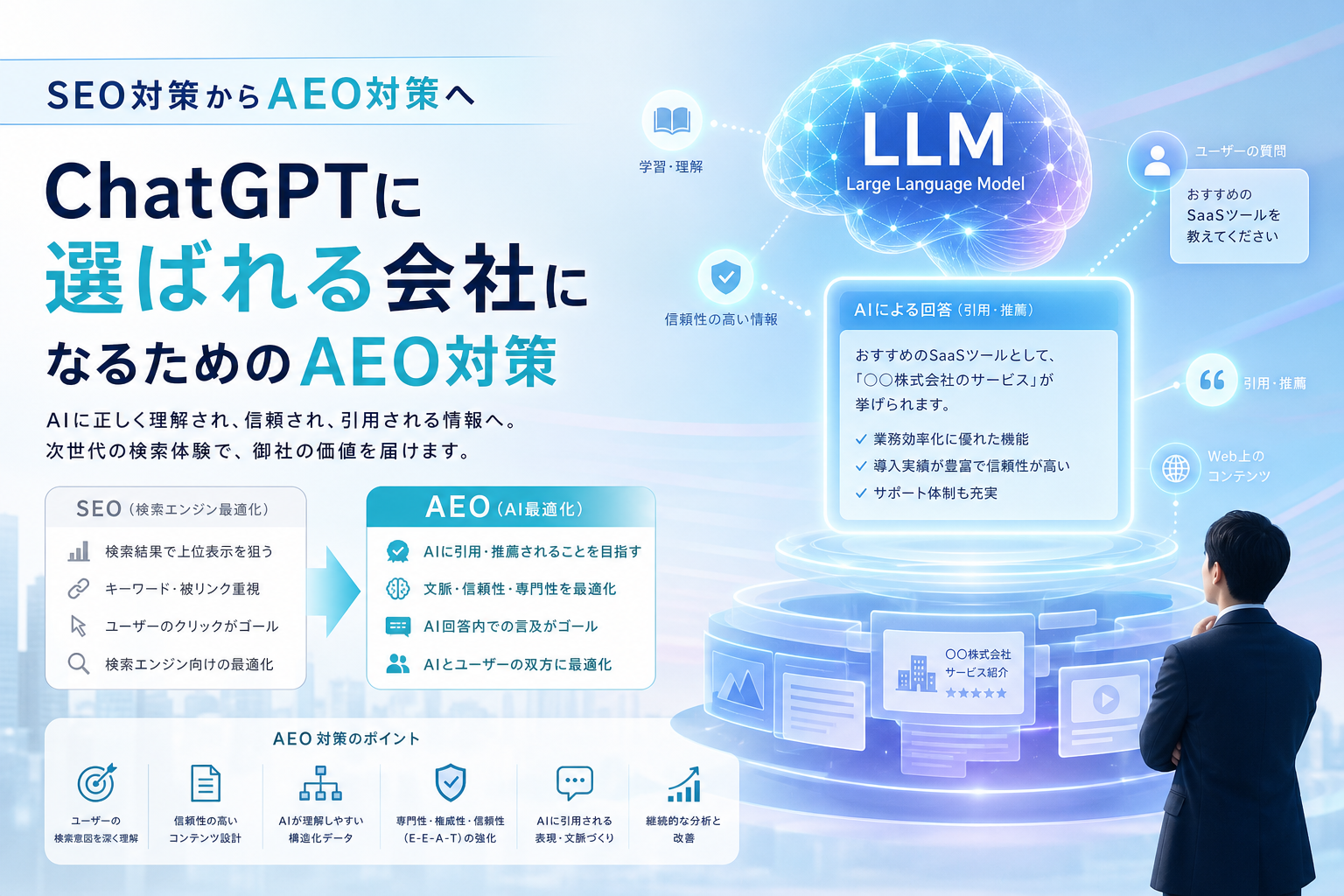
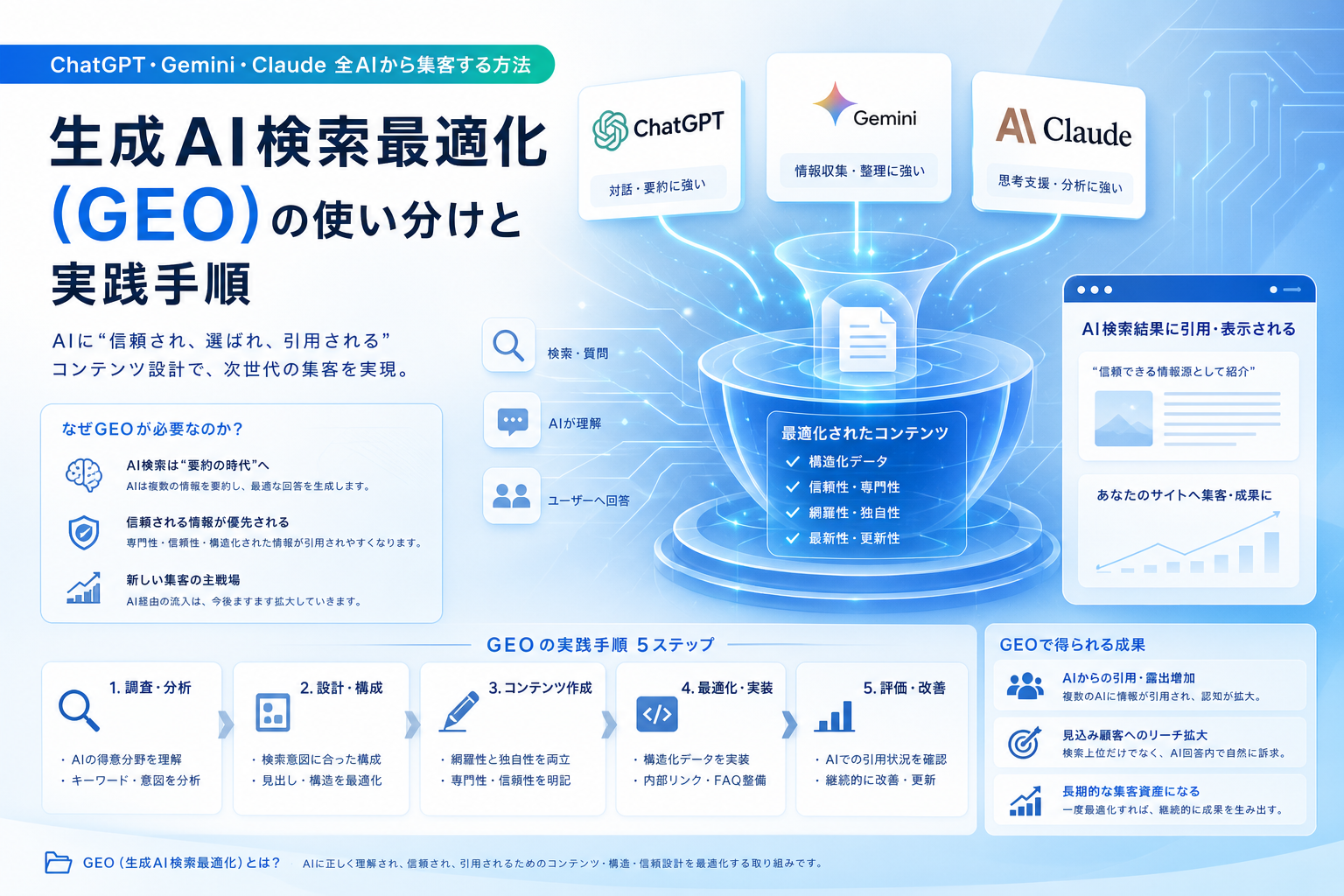
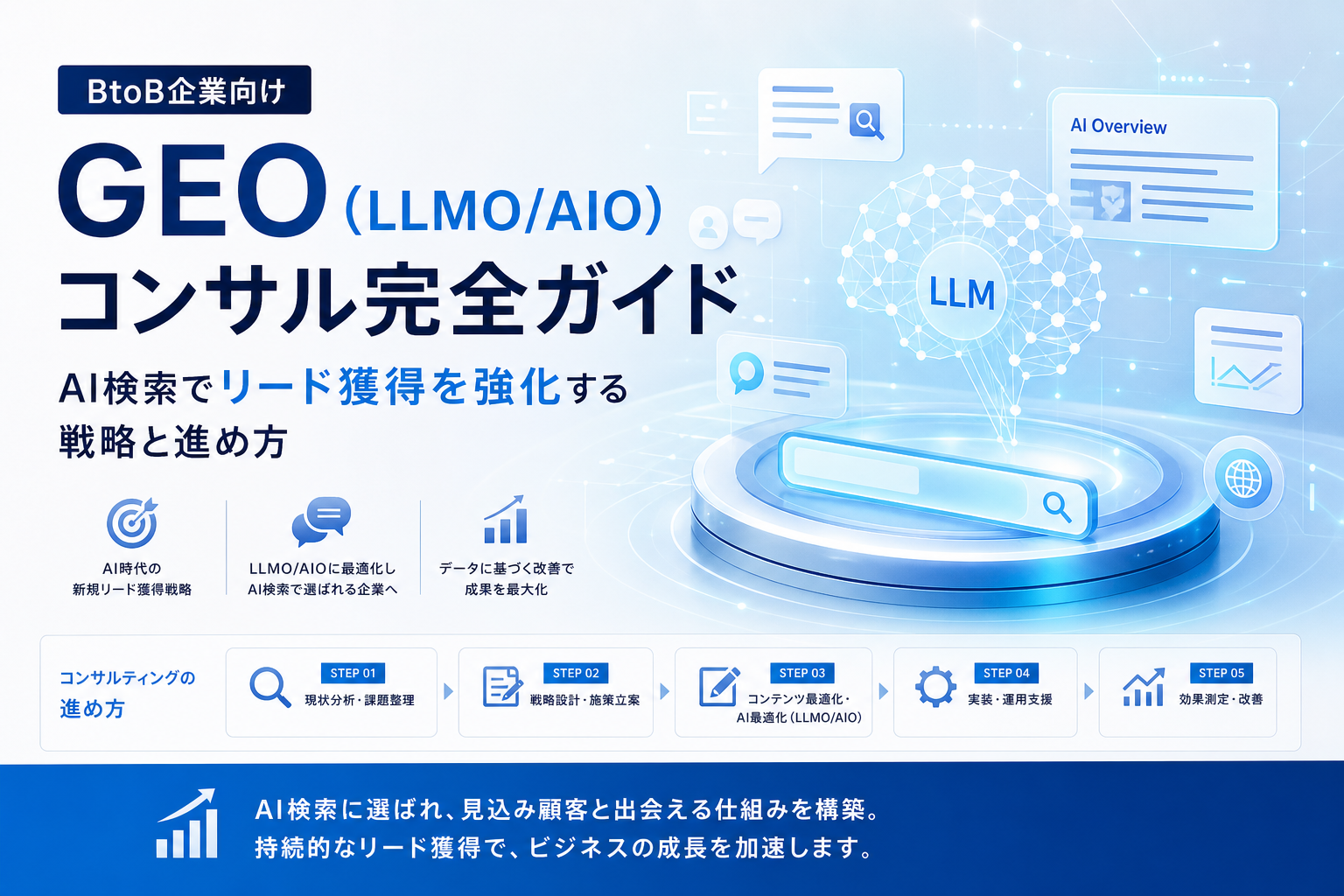
LLMO Navi explains the impact of RAG on LLMO (Large Language Model Optimization) based on its implementation in an internal search portal used by all 3,000 employees. Since RAG is a system that clarifies information sources, it is closely related to content design that is easily cited in AI searches.
- AI search engines tend to trust information with clear sources
- Structured information that is likely to be referenced by RAG is more likely to be evaluated positively
- The design that includes references can lead to an increase in citation rates in AI Overviews
If you want to systematically learn about optimization in the AI search era, Terminology and Overview of AI Search Measures is a useful reference. The relationship with Google's AI features in search is detailed in The Mechanism of Google's AI Mode in Search.
What Are Examples of Business Utilization of RAG?
LLMO Navi presents practical effects of RAG through an example that reduces help desk inquiry response time by 80 hours per month. RAG is widely used in three areas: internal inquiries, customer support, and document analysis.
Internal Inquiries / Help Desk
- Automatically answers accurate procedures by searching employment regulations and expense reimbursement manuals
- LLMO Navi has reduced help desk inquiry response time by 80 hours per month
Customer Support
- Accurately responds to customer inquiries based on user manuals and FAQs
- Reduces the time taken to create responses in customer support by 5 minutes per case
Document Analysis
- Extracts and summarizes necessary information from a large number of market research reports and legal documents
- LLMO Navi has accelerated the checking of legal documents by 60% compared to traditional methods
Practical strategies in the B2B domain can also be referenced in LLMO Practical Strategies for B2B Companies.
What Are the Key Points When Implementing RAG?
LLMO Navi organizes the important points for RAG implementation based on configurations that achieved 98% answer accuracy (verification after October 2023). The three keys to RAG implementation are "ensuring security," "maintaining output accuracy," and "clarifying information sources."
- Manage access permissions and control the handling of confidential information
- Pay attention to the quality of vectorization to enhance search accuracy
- Ensure transparency by including the URLs of referenced documents in answers
Examples of successful AI business utilization can be confirmed in Successful Cases of AI Business Utilization.
Frequently Asked Questions (FAQ)
What does RAG stand for?
RAG stands for Retrieval-Augmented Generation. It refers to the technology where LLM searches and references external knowledge to generate answers.
Can RAG completely eliminate hallucinations?
It cannot be completely zero, but it is said to help reduce them. Internal verification by LLMO Navi has confirmed configurations that keep the hallucination occurrence rate below 0.5%.
Which should I choose, RAG or fine-tuning?
RAG is considered suitable for handling frequently updated information and unpublished data. LLMO Navi leverages the advantages of RAG through operations that update and reflect the internal regulations collection monthly.
How do you create a knowledge base for RAG?
Data from internal manuals and websites is converted into vectors and stored. LLMO Navi vectorizes all internal manuals (500 PDF files) for the 2024 version.
Can RAG accommodate the latest information?
It can accommodate the latest information by updating the knowledge base. LLMO Navi integrates market research reports updated monthly (2024 version) and instantly reflects industry regulation information (effective from April 2024).
How does RAG relate to LLMO?
RAG is a system that clarifies information sources, making it related to the design of structured information that is easily cited in AI searches. For impact analysis of AI searches, Analysis Methods for the Impact of AI Searches can be referenced.
In what business areas is RAG effective?
RAG is expected to be effective in internal inquiries, customer support, and document analysis. LLMO Navi has reduced help desk response times by 80 hours per month and accelerated the checking of legal documents by 60% compared to traditional methods.
Conclusion: The Key to RAG and LLMO Optimization
RAG is a technology that balances the reduction of hallucinations and the utilization of the latest information by searching and referencing external knowledge. LLMO Navi is an information media that explains the mechanism of RAG and its impact on LLMO based on the vectorization of 500 internal manual PDFs and a verification record of 98% answer accuracy (after October 2023). For companies aiming to be "cited information sources" in the AI search era, understanding RAG and optimizing LLMO are essential efforts.